
Close Menu
    Facebook X (Twitter) Instagram
    SciTechDaily
    • Biology
    • Chemistry
    • Earth
    • Health
    • Physics
    • Science
    • Space
    • Technology
    Facebook X (Twitter) Pinterest YouTube RSS
    SciTechDaily
    Home»Health»Invisible Scars: World’s Largest Childhood Trauma Study Uncovers Brain Rewiring
    Health

    Invisible Scars: World’s Largest Childhood Trauma Study Uncovers Brain Rewiring

    By University of EssexMarch 12, 20241 Comment3 Mins Read
    Facebook Twitter Pinterest Telegram LinkedIn WhatsApp Email Reddit
    Share
    Facebook Twitter LinkedIn Pinterest Telegram Email Reddit
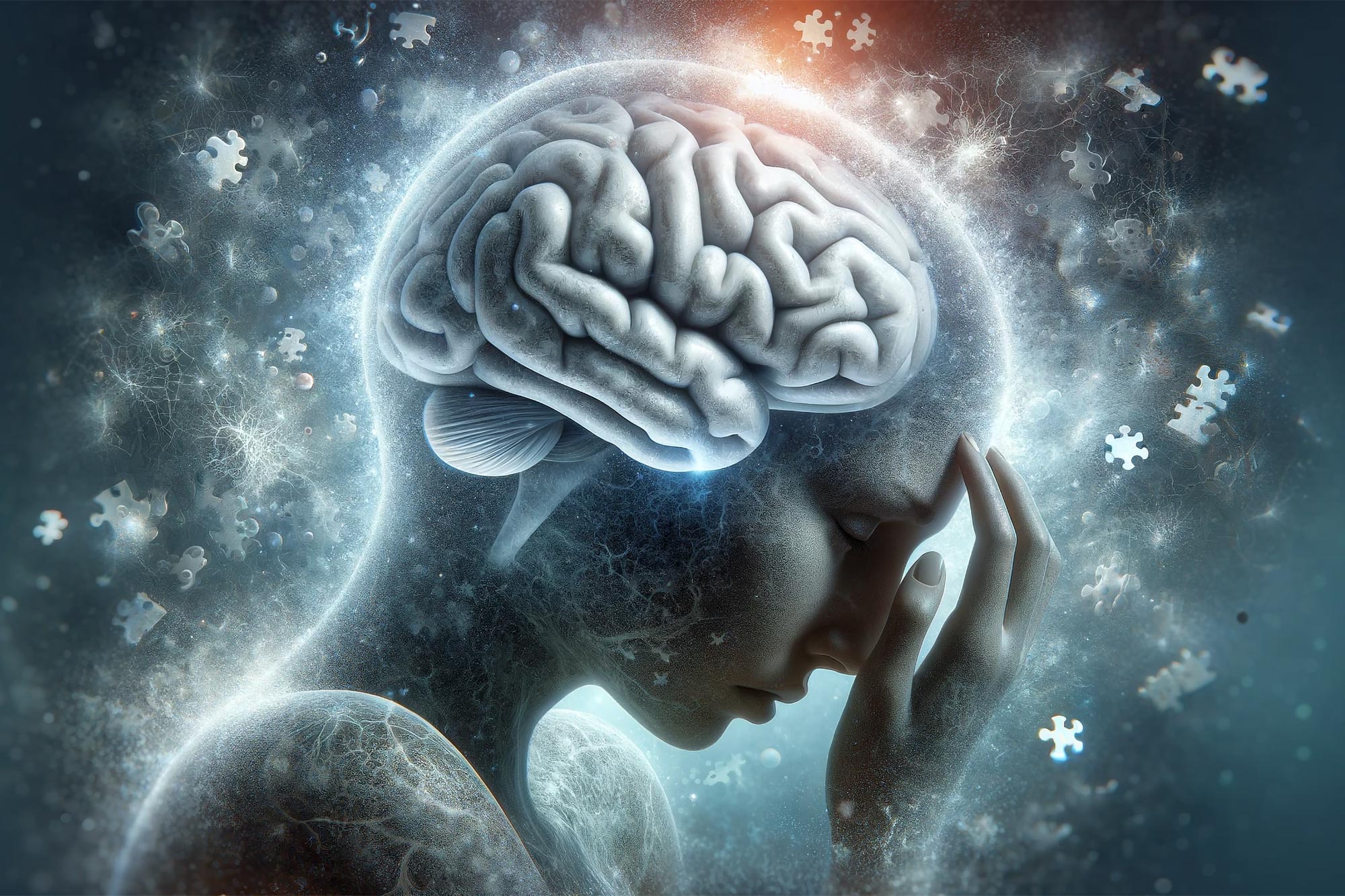
    Serotonin Depletion Brain Fog Art Concept Illustration
    A new study has unveiled the profound impact of childhood trauma on brain development, particularly affecting neural networks associated with self-awareness and problem-solving. The research, employing AI to analyze brain scans, suggests that affected children struggle with emotional regulation, empathy, and academic challenges. It underscores the need for treatments that go beyond addressing trauma triggers, focusing instead on rewiring the brain and enhancing the sense of self.

    The world’s largest brain study of childhood trauma has revealed how it affects development and rewires vital pathways.

    The University of Essex study – led by the Department of Psychology’s Dr Megan Klabunde – uncovered a disruption in neural networks involved in self-focus and problem-solving. This means under-18s who experienced abuse will likely struggle with emotions, empathy, and understanding their bodies.

    Difficulties in school caused by memory, hard mental tasks, and decision-making may also emerge. Dr Klabunde’s cutting-edge research used AI to re-examine hundreds of brain scans and identify patterns. It is hoped the research will help hone new treatments for children who have endured mistreatment.

    This could mean therapists focus on techniques that rewire these centers and rebuild their sense of self.

    Advanced Research and Future Directions

    Dr Klabunde said: “Currently, science-based treatments for childhood trauma primarily focus on addressing the fearful thoughts and avoidance of trauma triggers. This is a very important part of trauma treatment. However, our study has revealed that we are only treating one part of the problem. Even when a child who has experienced trauma is not thinking about their traumatic experiences, their brains are struggling to process their sensations within their bodies. This influences how one thinks and feels about one’s ‘internal world’ and this also influences one’s ability to empathize and form relationships.”

    Dr Klabunde reviewed 14 studies involving more than 580 children for the research published in Biological Psychiatry Cognitive Neuroscience and Neuroimaging.

    The paper re-examined functional magnetic resonance imaging (fMRI) scans. This procedure highlights blood flow in different centers, showing neurological activity. The study discovered a marked difference in traumatized children’s default mode (DMN) and central executive networks (CEN) – two large-scale brain systems.

    The Role of DMN and CEN in Trauma

    The DMN and the posterior insula are involved in how people sense their body, their sense of self, and their internal reflections.

    New studies are finding that DMN plays an important role in most mental health problems – and may be influenced by experiencing childhood trauma. The CEN is also more active than in healthy children, which means that children with trauma histories tend to ruminate and relive terrible experiences when triggered.

    Dr Klabunde hopes this study will be a springboard to find out more about how trauma affects developing minds. She said: “Our brain findings indicate that childhood trauma treatments appear to be missing an important piece of the puzzle. In addition to preventing avoidance of scary situations and addressing one’s thoughts, trauma therapies in children should also address how trauma impacts one’s body, sense of self, emotional/empathetic processing, and relationships. This is important to do so since untreated symptoms will likely contribute to other health and mental health problems throughout the lifespan.”

    Reference: “An FMRI Meta-Analysis of Childhood Trauma” by Rebecca Ireton, Anna Hughes and Megan Klabunde, 2 February 2024, Biological Psychiatry: Cognitive Neuroscience and Neuroimaging.
    DOI: 10.1016/j.bpsc.2024.01.009

    Never miss a breakthrough: Join the SciTechDaily newsletter.
    Follow us on Google and Google News.

    Artificial Intelligence Brain Mental Health Psychiatry Trauma University of Essex
    Share. Facebook Twitter Pinterest LinkedIn Email Reddit

    Related Articles

    The Hidden Impact of Trauma: Why Clinicians Must Go Beyond Physical Symptoms

    “Climate Trauma” – New Study Demonstrates That It Has Real Impacts on Cognition and the Brain

    Some Types of Stress Could Improve Brain Functioning and Reduce Risk of Mental Illness

    Increased Myelin in Brain’s Gray Matter Linked to Anxiety and PTSD

    How Ultrasound Could Be Used To Treat Psychiatric Disorders

    Researchers Boost Human Mental Function With Brain Stimulation – Could Treat Mental Illnesses

    AI Can Detect Signals for Mental Health Assessment

    Antidepressant Power of Lactate Revealed in New Research

    Study Links Brain Cells to Depression – Brings Hope for Targeted Treatment Options

    1 Comment

    1. Steve on March 13, 2024 7:37 pm

      I wonder how forced infant circumcision has impacted hundreds of thousands of men around the world. Does anyone care?

      Reply
    Leave A Reply Cancel Reply

    • Facebook
    • Twitter
    • Pinterest
    • YouTube

    Don't Miss a Discovery

    Subscribe for the Latest in Science & Tech!

    Trending News

    Just a Few Breathless Minutes a Day Could Slash Your Risk of 8 Major Diseases

    This Simple Habit Could Cut Your Risk of Dementia by 30%

    Scientists Debunk Rattlesnake Myth That Fooled Hikers and Doctors for Decades

    Scientists Discover Plants Can “Count” – and May Be Smarter Than We Thought

    New Research Reveals Ancient Mars May Have Been Warm, Wet – and Possibly Alive

    This Surprising Daily Habit Could Cut Dementia Risk by 35%

    Just 10 Minutes a Day: Scientists Say This Ancient Chinese Practice Shows Powerful Blood Pressure Benefits

    Scientists Say This Popular Food Could Help Your Body Get Rid of Microplastics

    Follow SciTechDaily
    • Facebook
    • Twitter
    • YouTube
    • Pinterest
    • Newsletter
    • RSS
    SciTech News
    • Biology News
    • Chemistry News
    • Earth News
    • Health News
    • Physics News
    • Science News
    • Space News
    • Technology News
    Recent Posts
    • NASA’s Artemis II Cleared for Moon Flight As Orion Prepares for Critical Engine Burn
    • NASA Artemis II Crew Scrambles To Fix Unexpected Toilet Failure in Space
    • Surviving Burns May Have Changed Human Evolution
    • Scientists Discover Hidden “Footprint of Death” That Could Transform How We Fight Disease
    • Blood-Sucking Parasites Could Revolutionize Treatment for Autoimmune Diseases
    Copyright © 1998 - 2026 SciTechDaily. All Rights Reserved.
    • Science News
    • About
    • Contact
    • Editorial Board
    • Privacy Policy
    • Terms of Use

    Type above and press Enter to search. Press Esc to cancel.